If you have blepharitis, you may also experience:
- Eyelash problems. Blepharitis can cause your eyelashes to fall out or grow abnormally (misdirected eyelashes).
- Eyelid skin problems. Scarring may occur on your eyelids in response to long-term blepharitis. Or the eyelid edges may turn inward or outward.
- Excess tearing or dry eyes. Abnormal oily secretions and other debris shed from the eyelids, such as flaking associated with dandruff, can accumulate in your tear film — the water, oil and mucus solution that forms tears. Abnormal tear film interferes with the healthy lubrication of your eyelids. This can irritate your eyes and cause symptoms of dry eyes or excess tearing.
- Difficulty wearing contact lenses. Because blepharitis can affect the amount of lubrication in your eyes, wearing contact lenses may be uncomfortable.
- Sty. A sty is an infection that develops near the base of the eyelashes. The result is a painful lump on the edge (usually on the outside part) of your eyelid. A sty is usually most visible on the surface of the eyelid.
- Chalazion. A chalazion occurs when there’s a blockage in one of the small oil glands at the margin of the eyelid, just behind the eyelashes. The gland can become infected with bacteria, which causes a red, swollen eyelid. Unlike a sty, a chalazion tends to be most prominent on the inside of the eyelid.
- Chronic pink eye. Blepharitis can lead to recurrent bouts of pink eye (conjunctivitis).
- Injury to the cornea. Constant irritation from inflamed eyelids or misdirected eyelashes may cause a sore (ulcer) to develop on your cornea. Insufficient tearing could predispose you to a corneal infection.
Blepharitis Treatment
Treatment of blepharitis should start with contacting your Family Eye Physicians eye doctor to identify the cause of your eyelid issues. Your eye doctor will examine your eyes and eyelids to determine if you have blepharitis and what type of treatment is applicable.
Typically, blepharitis treatment includes:
- Eyelid scrubs. Gently scrubbing your eyelids removes the buildup of biofilm and bacteria. Your eye doctor typically will recommend a daily regimen of warm compresses and eyelid scrubs.
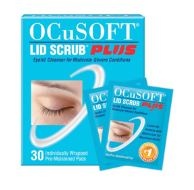
Recognized as the market leader and #1 recommended by eye doctors, OCuSOFT® Lid Scrub® Eyelid Cleansers are intended for daily use and are available in pre-moistened pads or foam pump dispensers for easy application.
- In-office procedures. Though eyelid scrubs at home are helpful, seeing your eye doctor for in-office eyelid hygiene or bleph cleaning procedures are often recommended at least once a year for more effective blephartis treatment.
- Medicated eye drops and/or ointments. Your eye doctor may also prescribe topical medications to destroy excess bacteria or other microbes on the eyelids.
What Causes Sore Eyelashes?
Eyelashes that feel sore or tender at the root often mean the edge of the eyelid, where the lashes grow, is inflamed. Blepharitis is a common reason. The causes listed above all apply: clogged oil glands at the base of the lashes, bacteria, dandruff-type skin conditions such as seborrheic dermatitis, rosacea, allergic reactions to eye makeup or contact lens solution, and eyelash mites. A sty, which is an infection near the base of an eyelash, causes a painful lump in one spot, and eyelashes that grow in the wrong direction can also irritate the eye.
If the soreness comes with crusting, redness along the lid edge, or flaking skin, daily lid hygiene with warm compresses and eyelid scrubs is where treatment usually starts. If it does not improve, have an eye doctor look at it. Blepharitis and dry eye often go together.
Is Blepharitis Contagious?
No. Blepharitis is not contagious, and it usually does not cause permanent damage to your eyesight. It is often a chronic condition, though, so it tends to come back without regular eyelid cleaning.
For more blephartis tips about cleaning your eyelids or how to keep blepharitis from coming back, please contact your local Family Eye Physicians eye doctor or call (708) 636-9393 today!
Source: Mayo Clinic