
See a Family Eye Physicians eye doctor. Offices in Buffalo Grove, Orland Park, Oak Lawn, Schaumburg, Oakbrook Terrace and Chicago (Albany Park).
LASIK alternatives include glasses, contact lenses, PRK, SMILE, implantable lenses and, for selected patients, refractive lens exchange. The right option depends on why LASIK is unsuitable. Chicago-area patients can discuss PRK with Family Eye Physicians; Nicholas Chan, MD lists PRK among his specialties. A surgeon must assess eligibility for each procedure separately.
Key takeaways
- Ask why LASIK was ruled out before comparing another procedure.
- PRK and SMILE still require healthy corneal tissue and an individual examination.
- Implantable lenses and lens exchange involve surgery inside the eye and different risks.
- Glasses, contact lenses or postponing surgery can remain appropriate choices.
- Confirm which procedures a surgeon offers, the full fee and the follow-up plan before scheduling.
Which alternatives are documented here
| Option | Evidence available |
|---|---|
| LASIK and PRK | Listed on the practice’s physician profile |
| Refractive lens exchange | Described in the practice’s published guide |
| SMILE and implantable lenses | Discussed as general alternatives; current practice availability was not established by the reviewed sources |
A comparison article is not a procedure menu or an individual treatment recommendation. Ask which options your examination supports.
What are the alternatives to LASIK?
Patients comparing LASIK alternatives should first separate nonsurgical correction, corneal surgery and surgery inside the eye. Each approach changes a different part of the treatment decision. A person who wants to avoid a LASIK flap may have different options from someone with progressive corneal disease, an unstable prescription or a cataract.
| Option | What you are comparing | Question for the consultation |
|---|---|---|
| Glasses or contact lenses | Vision correction without refractive surgery | Could an updated prescription or different fitting meet my needs? |
| PRK | Laser treatment on the corneal surface, without a LASIK flap | Are my corneal measurements suitable, and how will recovery affect work? |
| SMILE | Removal of a small piece of corneal tissue through an incision | Does my prescription and eye health fit this procedure? |
| Phakic implantable lens | A lens implanted while the natural lens stays in place | Does my eye have the anatomy required for the proposed device? |
| Refractive lens exchange | Removal of the natural lens and placement of an artificial lens | Why would lens surgery be appropriate for my age and vision goals? |
| Delay surgery | Continue correction while a surgeon evaluates or treats a limiting factor | What needs to change before another assessment? |
Use this table to organize questions rather than select your own operation. Ask the surgeon to explain the relevant findings for both eyes. If you received a previous rejection, bring that report so the second clinician can address the same concern directly.
Why were you told you are not a LASIK candidate?
A surgeon may advise against LASIK because of corneal findings, prescription changes, eye-surface problems, other disease or healing concerns. The FDA identifies thin corneas and dry eyes among the issues that require screening. Patients should request the specific reason for the recommendation, including whether it is temporary or likely to remain.
Ask for copies of your prescription history and test results. A useful explanation identifies the measurement or diagnosis that changes the risk, not simply a machine or procedure the clinic prefers. Ask whether the issue applies to LASIK alone or also to other forms of corneal surgery.
If you have burning, grittiness or fluctuating vision, mention those symptoms before discussing an operation. The practice’s dry-eye evaluation information can help you prepare that discussion. Treating an eye-surface problem does not guarantee that a surgeon will later approve refractive surgery.
When might PRK be an alternative?
A refractive surgeon may consider PRK when avoiding a corneal flap matters and the patient otherwise meets the treatment criteria. During PRK, the surgeon treats the corneal surface after removing its outer epithelial layer. The patient then needs time for surface healing and follow-up. Some patients who cannot have LASIK also cannot safely have PRK.
Discuss recovery before choosing a surgical date. Tell the team about driving, work, childcare and any activity in which an eye injury is possible. Request written instructions covering drops, protective measures, follow-up visits and whom to contact if you have a problem.
For a detailed side-by-side discussion, read the existing LASIK versus PRK comparison. That article covers the two procedures in depth; this guide helps you decide which broader group of alternatives belongs in your consultation.
Could SMILE be an option instead?
SMILE is a corneal laser procedure for eligible patients with nearsightedness, including some with astigmatism. A surgeon removes a small disc of tissue through an incision without creating a LASIK flap. The American Academy of Ophthalmology explains that patients still need healthy corneas, suitable measurements, a stable prescription and realistic expectations.
A patient who was rejected for LASIK should ask which particular finding would make SMILE a sound alternative. Avoiding a flap does not by itself establish eligibility. Ask about possible glare, halos, undercorrection, overcorrection, infection and how a later correction would be handled.
Compare the two methods in the practice’s SMILE versus LASIK patient guide. Before arranging an evaluation specifically for SMILE, confirm whether the chosen surgeon offers it and where. This article does not establish SMILE availability at Family Eye Physicians.
How do implantable lenses differ from laser correction?
With a phakic implantable lens, a surgeon places an additional lens inside the eye while leaving the natural lens in place. The FDA describes this as an option to reduce dependence on glasses or contact lenses for eligible nearsighted patients. Patients must meet the requirements of the proposed implant and receive counseling about intraocular surgery.
Ask whether your prescription, eye anatomy and eye health fit the specific device. Discuss follow-up, eye-pressure checks and the possible need for further treatment. A lens that can be surgically removed still involves an operation; the FDA cautions that removal does not guarantee a return to the eye’s previous condition.
Do not assume an implant is available at a particular practice because a comparison article discusses it. Request the surgeon’s procedure-specific experience and the device’s patient information. If you want a second opinion, take the first assessment and prescription history with you.
When does refractive lens exchange enter the discussion?
With refractive lens exchange, a surgeon removes the natural lens and replaces it with an artificial lens. A patient considering this approach needs an explanation of why lens replacement fits the diagnosis and vision goals. Patients should distinguish an elective refractive decision from surgery recommended to treat a visually significant cataract.
Family Eye Physicians has a separate refractive lens exchange and reading-glasses guide. It explains lens-related questions and cautions that an implant cannot guarantee freedom from glasses. Discuss distance vision, computer use and reading separately when describing what you hope to change.
Ask about the irreversible removal of the natural lens and the risks of surgery inside the eye. Discuss whether keeping your natural lens and continuing with glasses or contacts would better suit your circumstances. A consultation should compare the expected benefit against the risks for your particular eyes.
Can you improve vision without an operation?
Glasses and contact lenses remain alternatives when a patient wants better everyday vision without refractive surgery. An eye-care professional can check the prescription, fit and eye health before recommending a change. Patients who are comfortable with nonsurgical correction can continue it rather than accepting surgical risks to meet someone else’s expectations.
If your current contacts are uncomfortable, describe when the discomfort starts and which lenses or drops you use. Ask whether another fitting or treatment is appropriate. Do not switch wearing schedules, sleep in lenses or buy specialty products based solely on an online comparison.
You can also postpone a decision. Ask what information is missing, whether a condition needs treatment first and when another examination would be useful. Obtain a copy of the plan so you can distinguish medical follow-up from an invitation to book surgery.
What should Chicago patients ask before booking?
Chicago patients should compare the proposed operation, the clinician performing it, the actual treatment location and the follow-up arrangements. Family Eye Physicians’ laser vision correction service page identifies its Oakbrook LASIK connection. Confirm which consultation and procedure are being arranged rather than assuming every office provides every service.
The current profile for Nicholas Chan, MD lists LASIK and PRK among his refractive specialties. Use that verified capability as a starting point for asking which options fit your measurements. A physician’s listed specialty cannot establish your individual candidacy.
Request an itemized estimate after discussing the medical recommendation. Ask which testing, surgeon fees, postoperative visits and medications are included, and what a later procedure would cost. Bring the same questions to any second consultation so you can compare the answers without relying on an advertised starting price.
Frequently Asked Questions
What is the best alternative to LASIK?
A surgeon must assess why LASIK is unsuitable before recommending an alternative. PRK, SMILE, implantable lenses and lens exchange address different circumstances and carry different risks. Glasses, contacts or postponing surgery may fit your needs better than another operation.
Can I have PRK if my corneas are too thin for LASIK?
Possibly, but thin corneas can rule out PRK too. Ask a refractive surgeon to review the corneal maps, thickness measurements and treatment requirements before recommending either procedure. A LASIK rejection is not automatic approval for PRK.
Is SMILE automatically safer if I cannot have LASIK?
No. The surgeon must identify the reason LASIK was rejected and separately check SMILE eligibility. SMILE still changes corneal tissue and carries surgical risks. Ask how your measurements affect the recommendation.
Can I keep wearing glasses instead?
Yes. Refractive surgery is an elective decision. Ask your eye-care professional whether your current correction needs updating and whether an eye-health problem requires treatment. You can decline surgery after discussing the options.
Will an alternative procedure eliminate reading glasses?
No procedure can guarantee that. Tell the surgeon which near, intermediate and distance activities matter to you, and ask what correction may still be needed. Age-related changes in near focusing belong in the discussion.
Are implantable lenses and lens exchange the same?
No. With a phakic implantable lens, the natural lens remains in the eye. With refractive lens exchange, the surgeon removes the natural lens and replaces it. Ask which operation is proposed and why.
Does Family Eye Physicians offer every alternative listed?
This guide does not establish that. Dr. Chan’s current practice profile lists LASIK and PRK, and the practice publishes a lens-exchange guide. Confirm the procedure, surgeon and treatment location when requesting your consultation.
This article provides general educational information. Your treating clinician must assess your individual diagnosis, treatment options, risks and expected costs.
Sources
- American Academy of Ophthalmology patient information about PRK
- National Eye Institute guidance on refractive surgery and alternatives
- FDA guidance on factors that may rule out LASIK
- American Academy of Ophthalmology patient information about SMILE
- FDA explanation of phakic implantable lenses
- American Academy of Ophthalmology explanation of alternative refractive procedures
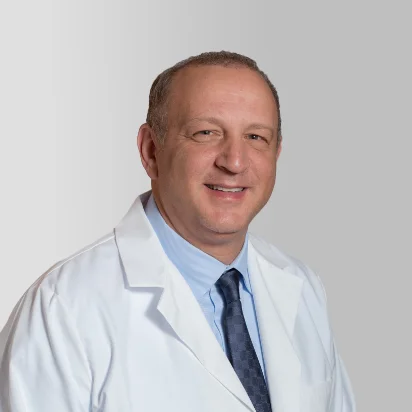 Mohammad Al-Khudari, MD · Family Eye Physicians
Request an Appointment
Our eye doctors see patients at six Chicagoland offices. Book online or call us.
This article provides general information and does not replace advice from your eye care professional.