
See a Family Eye Physicians eye doctor. Offices in Buffalo Grove, Orland Park, Oak Lawn, Schaumburg, Oakbrook Terrace and Chicago (Albany Park).
The best cataract surgeon in Chicago for you is an ophthalmologist whose training matches the complexity of your case, who offers lens choices suited to your daily vision needs, and who explains costs and follow-up before you schedule. This 2026 shortlist compares seven local options using information each practice published as of September 18, 2026. Family Eye Physicians operates one of the practices listed.
Key takeaways
- Start with board certification, cataract-specific training and experience with cases similar to yours.
- Ask who performs the operation, which intraocular lenses are available and where follow-up visits happen.
- Laser-assisted surgery and premium lenses are options, not automatic upgrades for every patient.
- Confirm hospital or surgery-center access, insurance participation and your expected out-of-pocket amount in writing.
How did we compare Chicago cataract surgeons?
We compared public facts that patients can verify before a consultation: physician training, cataract and cornea fellowships, published lens choices, laser-assisted surgery, clinic locations and the detail provided about follow-up. We did not rank surgeons by advertising claims, testimonials or an unverified procedure count. No physician can be the best choice for every eye or every patient.
The list includes Family Eye Physicians, which publishes this guide. That relationship can create bias, so each entry follows the same criteria and links to the practice page used. A listing is a research starting point rather than an endorsement or a substitute for an examination.
| Option | Published cataract focus | Useful fit to discuss |
|---|---|---|
| Family Eye Physicians | Several fellowship-trained cataract and cornea surgeons; blade-free femtosecond surgery and multiple IOL choices | Patients who want suburban and Chicago offices for evaluation and follow-up |
| Kraff Eye Institute | Colman Kraff, MD; monofocal, multifocal, accommodating and toric IOLs listed | Patients seeking a downtown Chicago practice |
| Kovach Eye Institute | Steven Kovach, MD; board-certified ophthalmologist; advanced IOL choices published | Patients comparing several Chicagoland locations |
| Chicago Cornea Consultants | Cornea-focused physician group; laser cataract surgery and a broad IOL menu published | Patients whose cataract decision overlaps with corneal disease |
| Northwestern Medicine | Academic ophthalmology department and hospital system | Patients who prefer an academic medical setting |
Which Family Eye Physicians surgeons perform cataract surgery?
Family Eye Physicians publishes cataract credentials for Sanjay Rao, MD, Nicholas Chan, MD, Inae Kim, MD and Mohammad Kureishy, MD. Their profiles describe board certification or cataract-focused fellowship training, along with experience in standard, complex or laser-assisted cataract surgery. Patients should confirm which doctor is available at their preferred office and which surgeon would perform the operation.
Sanjay Rao, MD
Sanjay Rao, MD is described by the practice as board certified and fellowship trained in cornea, external disease and refractive surgery. His profile says he has practiced in Chicagoland for 20 years and performs blade-free laser cataract surgery with advanced-technology lenses. His cornea background may be relevant when a patient has cataracts alongside ocular-surface or corneal disease.
Nicholas Chan, MD
Nicholas Chan, MD is described as a board-certified, fellowship-trained cornea, cataract and LASIK surgeon. His profile lists standard and complex cataract surgery, blade-free femtosecond laser surgery and sutured IOLs for dislocated lenses. That published scope gives patients with a complex lens history specific questions to raise at a consultation.
Inae Kim, MD
Inae Kim, MD is described as board certified and fellowship trained in cornea, external disease and refractive surgery. Her profile lists standard and complex cataract surgery, femtosecond laser surgery and secondary IOLs for dislocated lenses or complicated cases. Patients can ask whether her cornea and complex-cataract experience matches their diagnosis.
Mohammad Kureishy, MD
Mohammad Kureishy, MD completed advanced fellowship training in cataract and anterior-segment surgery, according to his practice profile. The page also cites training with advanced-technology IOLs and board certification by the American Board of Ophthalmology. Patients who want to compare lens designs can ask how he selects an IOL for distance, near vision, astigmatism and night-driving needs.
Which other Chicago cataract practices should patients compare?
Chicago patients can compare independent, group and academic settings. The practices below appeared in the live results for the target search and maintain public cataract pages. Their inclusion reflects available information and search relevance on September 18, 2026, rather than a claim that one surgeon produces better outcomes than another.
Colman Kraff, MD at Kraff Eye Institute
Kraff Eye Institute identifies Colman Kraff, MD as its cataract surgeon and publishes a downtown Chicago cataract program. Its page lists monofocal, multifocal, accommodating and toric intraocular lenses. That range gives prospective patients a useful consultation topic: which lens is medically appropriate, what distance it targets and how much dependence on glasses remains likely.
Steven Kovach, MD at Kovach Eye Institute
Kovach Eye Institute says Steven Kovach, MD is board certified by the American Board of Ophthalmology and leads its cataract team. The practice publishes several Chicagoland locations and advanced IOL choices. Patients should confirm where surgery occurs, whether the same physician handles the preoperative examination and which office manages postoperative care.
Chicago Cornea Consultants
Chicago Cornea Consultants publishes cataract, laser cataract and IOL pages and lists offices in Chicago, Highland Park, Hoffman Estates and Arlington Heights. Its physician roster includes cornea specialists, making the group relevant to patients whose lens clouding occurs with corneal disease. Ask which surgeon treats your diagnosis and whether corneal findings change the lens recommendation.
Northwestern Medicine
Northwestern Medicine offers cataract care through an academic ophthalmology department. An academic setting can be useful for patients who want care coordinated with other specialists or who have medical and eye conditions that require hospital-based resources. Its public cataract specialist page should be used to identify current physicians and locations before booking.
What qualifications should a cataract surgeon have?
A cataract surgeon must be a licensed ophthalmologist trained to operate on the eye. Patients can verify board-certification status, ask about cataract or anterior-segment fellowship training, and request the surgeon’s experience with the specific issue found during their examination. A complex case may call for different expertise than a routine age-related cataract.
The National Eye Institute explains that cataract surgery removes the cloudy natural lens and replaces it with an artificial intraocular lens. That makes lens selection part of the surgical decision. Bring a medication list, prior eye-surgery records and your daily vision priorities to the consultation. A surgeon needs those details to discuss realistic choices.
- Ask whether the ophthalmologist is certified by the American Board of Ophthalmology and verify the current record with the board.
- Ask how often the surgeon treats eyes with your conditions, such as corneal disease, glaucoma, retinal disease or a dislocated lens.
- Ask which physician performs the operation and who handles urgent concerns after hours.
- Ask where surgery takes place and whether that facility participates in your insurance network.
- Ask for the benefits, limits and added cost of each lens or laser option being offered.
How do lens choices affect the surgeon decision?
Every cataract operation replaces the cloudy lens with an IOL, but lens designs target different vision needs. A monofocal lens usually targets one distance. Toric lenses can address astigmatism, while some presbyopia-correcting designs aim to extend the range of clear vision. Eligibility and tradeoffs depend on measurements, eye health and the patient’s priorities.
The Chicago cataract surgery service describes the examination, lens implant and outpatient procedure used by Family Eye Physicians. During any consultation, ask the surgeon to explain likely glasses use after surgery, possible glare or halo concerns, and why a recommended lens fits the measurements. A brand name alone does not answer those questions.
Is laser cataract surgery better than traditional surgery?
Laser-assisted cataract surgery uses a femtosecond laser for selected steps that a surgeon can otherwise perform with handheld instruments. Patients still need an ophthalmologist to remove the cloudy lens and place the IOL. The better method depends on the eye, the planned lens, the surgeon’s assessment, the available evidence and any added patient cost.
Family Eye Physicians, Chicago Cornea Consultants and other local practices publish laser-assisted options. Availability does not establish that every patient benefits. Ask which part of the procedure uses the laser, what measurable advantage the surgeon expects in your case and whether insurance treats any added charge as elective.
Where can Chicago patients schedule a cataract evaluation?
Family Eye Physicians sees patients at six Chicagoland offices. Patients can start with the location closest to home because cataract care includes measurements and follow-up visits as well as the operation. The practice’s main number is 708-636-9393, and online booking is available by office.
Patients near the southwest suburbs can book an Oak Lawn eye appointment or book an Orland Park eye appointment. The Family Eye Physicians location directory lists Oakbrook Terrace, Oak Lawn, Orland Park, Albany Park, Buffalo Grove and Schaumburg. Booking staff can confirm which cataract surgeon sees patients at each office.
Frequently Asked Questions
These questions come from the tracked questions for Chicago cataract patients and the issues raised by the current search results. Each answer identifies a decision to confirm during a medical consultation.
Who is the best cataract surgeon in Chicago?
No single cataract surgeon is best for every patient. Compare verified training, experience with your diagnosis, lens choices, surgery-center access, communication and follow-up. An examination is needed before a surgeon can recommend a procedure or lens.
Which Chicago cataract surgeons do blade-free femtosecond laser surgery?
Family Eye Physicians publishes blade-free femtosecond cataract experience for Sanjay Rao, MD, Nicholas Chan, MD and Inae Kim, MD. Other Chicago practices also advertise laser cataract surgery. Confirm current availability and whether the surgeon recommends it for your eye.
How long does cataract surgery take?
Family Eye Physicians says cataract surgery is outpatient and generally takes 30 minutes or less. The total visit takes longer because staff prepare the eye and monitor the patient afterward. Your surgeon will give arrival and discharge instructions.
Can I choose my lens before cataract surgery?
You can discuss lens preferences, but the surgeon must first measure the eye and evaluate the cornea, retina, optic nerve and other factors. The chosen IOL should reflect those findings and your priorities for distance, near work and glasses use.
Does Medicare cover cataract surgery in Illinois?
Medicare generally covers medically necessary cataract surgery and a conventional IOL, subject to eligibility, deductibles, coinsurance and provider participation. Premium features may create extra charges. Confirm coverage with Medicare, any supplemental plan and the surgeon’s billing office.
What should I bring to a cataract consultation?
Bring insurance cards, a medication list, prior eye records, current glasses and notes about daily tasks affected by vision. Tell the doctor about previous LASIK, retinal treatment, glaucoma, diabetes and medications that may affect surgery planning.
Sources
- National Eye Institute cataract surgery, accessed September 18, 2026
- American Academy of Ophthalmology cataract overview, accessed September 18, 2026
- Family Eye Physicians cataract surgery and linked physician profiles, accessed September 18, 2026
- Kraff Eye Institute cataract surgery, accessed September 18, 2026
- Kovach Eye Institute cataract surgery, accessed September 18, 2026
- Chicago Cornea Consultants cataract and IOL surgery, accessed September 18, 2026
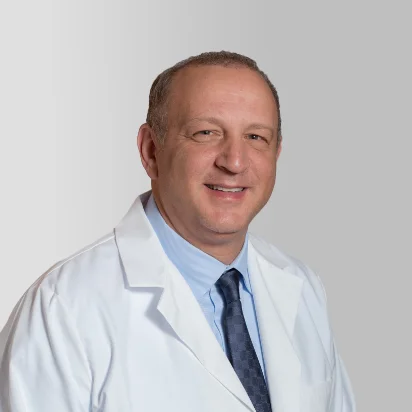 Mohammad Al-Khudari, MD · Family Eye Physicians
Request an Appointment
Our eye doctors see patients at six Chicagoland offices. Book online or call us.
This article provides general information and does not replace advice from your eye care professional.