
See a Family Eye Physicians eye doctor. Offices in Buffalo Grove, Orland Park, Oak Lawn, Schaumburg, Oakbrook Terrace and Chicago (Albany Park).
If you already have dry eyes, arrange an eye-surface evaluation before deciding on LASIK. The FDA warns that LASIK can aggravate existing dryness, and some patients develop severe, persistent symptoms. Your surgeon should explain whether to treat dryness first, reassess your eyes, consider another option, or advise against surgery.
Key takeaways
- Tell the surgeon about burning, fluctuating vision, contact lens discomfort, and every eye drop you use.
- Ask what the examination shows about your tears and eyelids before accepting a surgical recommendation.
- A treatment plan and a reassessment date are different from approval for LASIK.
- PRK and SMILE require their own evaluation. A different procedure does not establish that your dry-eye risk has disappeared.
- Family Eye Physicians offers dry-eye care and has cornea surgeons whose published profiles list LASIK and PRK.
Treatment and surgical approval are separate decisions
Use three questions at the consultation: What did the eye-surface examination find? What treatment or reassessment does the clinician recommend? After reassessment, does the surgeon recommend LASIK at all? The FDA identifies existing dry eyes as a candidacy concern. Treatment does not guarantee later surgical approval.
Can you get LASIK with dry eyes?
A surgeon must assess your existing dryness and the rest of your eyes before recommending LASIK. The FDA identifies dry eyes as a risk factor because LASIK tends to aggravate the condition. A brief online questionnaire cannot establish that surgery is appropriate for you.
At a consultation, ask the surgeon to separate three decisions: whether you have dry eye, whether the doctor recommends treatment, and whether LASIK is appropriate after reassessment. You may receive an answer to the first question before the doctor can answer the last. Avoid booking surgery around a holiday or work deadline before that discussion is complete.
Describe what you hope to change about daily life. If your contacts become uncomfortable by lunchtime, say so. If you want to swim without prescription eyewear, explain that goal too. Ask the surgeon to discuss the goal alongside your current symptoms, so the conversation covers comfort as well as reduced dependence on glasses.
What should you tell the surgeon before testing?
Bring a description of your symptoms, your current glasses or contact lens prescription, and a list of medicines and eye products. Tell the doctor when you notice irritation and whether previous treatment helped. The National Eye Institute lists medicines, health conditions, dry environments, and prolonged screen use among possible contributors to dry eye.
Before the visit, write down when you first noticed symptoms and what you were doing at the time. Record whether you stop wearing contacts earlier than you want, wake with irritation, or notice blur during computer work. These observations help you explain your experience; they do not replace examination findings or diagnose a cause.
Include prescription medicines taken for conditions unrelated to your eyes. The NEI’s discussion of dry-eye causes explains why that history matters. Do not stop a medicine on your own to qualify for surgery. Ask your eye doctor and prescribing clinician whether any change is appropriate.
What tests might the doctor use before recommending surgery?
Your eye doctor may examine the eye surface and eyelids, assess tear production, or check how long your tear film remains after blinking. The NEI describes slit-lamp examination, Schirmer’s testing, and tear break-up time. The doctor chooses the tests needed for your situation; every patient may not need every test.
Ask what the result means for the surgical recommendation. You should be able to identify the concern the doctor found and what happens next. For example, ask whether the doctor wants another visit after treatment, whether additional measurements are needed, and who will explain the final decision.
If you already had an assessment elsewhere, request your records and bring them. Ask the next surgeon to review the findings rather than simply repeat the earlier conclusion. When two recommendations differ, ask which examination result or personal risk factor accounts for the difference. A second opinion should help you understand the reasoning.
How should you compare the possible next steps?
Compare each recommendation by the problem the doctor is addressing, what must happen before a decision, and the care you would need afterward. Ask the surgeon to explain the option of continuing with glasses as well as any surgical options. Use the table to organize questions during your visit, not to choose treatment yourself.
| Discussion outcome | What to clarify | What to request before deciding |
|---|---|---|
| Treat dry eye and reassess | Which finding the doctor wants to address and how progress will be checked | Written treatment instructions and a reassessment plan |
| Consider LASIK after evaluation | Your individual risk discussion and expected follow-up | The procedure information booklet and time to read consent materials |
| Discuss PRK or another procedure | Why the surgeon thinks that option fits your eyes and what risks remain | A separate explanation of candidacy, recovery, and follow-up |
| Defer or avoid elective surgery | How to manage your current vision needs and symptoms | A plan for continuing eye care without a surgical commitment |
Take notes in your own words. Before leaving, read the proposed next step back to the clinician: what you will do, when you will return, and which decision remains open. That check can prevent you from mistaking an initial consultation for final clearance.
Does treating dry eye mean LASIK will become safe for you?
Dry-eye treatment does not guarantee approval for LASIK or eliminate the possibility of complications. Your doctor may recommend drops, changes to contributing factors, or another approach based on the cause of your symptoms. The surgeon still needs to evaluate your candidacy separately after the recommended care.
The NEI’s treatment overview describes several options, including artificial tears, prescription medicines, and tear-duct plugs. These are examples of clinical care, not a shopping list to begin before a LASIK consultation. Ask which treatment the doctor recommends for you and how to use it.
Family Eye Physicians’ dry-eye treatment service describes medicated drops and approaches directed at oil production. When requesting an appointment, explain that you are considering laser vision correction and want to discuss existing dryness. Ask whether to start with a dry-eye visit or a refractive consultation.
Would PRK or SMILE avoid the dry-eye concern?
Do not assume that choosing a different procedure resolves a dry-eye problem. Ask for an individual candidacy assessment and risk discussion for each option. Family Eye Physicians’ existing LASIK versus PRK comparison explains procedural differences, but a comparison article cannot establish which operation fits your eyes.
When a clinician suggests an alternative, ask why the recommendation changed. Is the reason related to your cornea, your prescription, your activities, or another finding? Have the clinician explain which concern the alternative addresses and which concerns remain. Avoid treating a procedure name or the absence of a flap as a personal safety guarantee.
Family Eye Physicians publicly lists LASIK and PRK on its cornea surgeon profiles. This guide does not establish that the practice offers SMILE. If you obtain an opinion about SMILE elsewhere, ask the evaluating surgeon the same questions about existing symptoms, treatment, follow-up, and the option of avoiding surgery.
What is the risk of dry eye after LASIK surgery?
The FDA warns that some patients develop severe dry eye after LASIK, sometimes with lasting discomfort and visual symptoms. Ask your surgeon how that risk applies to your examination and history. No general satisfaction figure or another patient’s experience can give you a personal prediction.
The FDA’s risks and doctor-selection guidance discusses persistent dryness, treatment burden, and other possible complications. Read the procedure’s patient information before signing consent. Ask how the office would manage symptoms and who would provide longer-term care if you needed it.
The FDA’s patient-reported outcomes project assessed symptoms before and after LASIK. Its attention to daily function offers a useful discussion point: ask about comfortable reading, screen use, and driving alongside the vision-chart result. Tell the surgeon which activities you would find hardest to compromise.
How do you arrange a Chicago consultation for LASIK and dry eye?
Request an evaluation that addresses both existing dryness and your interest in vision correction. Family Eye Physicians’ Inae Kim, MD profile lists cornea training, ocular-surface procedures, LASIK, and PRK. Ask the office which clinician and appointment type fit the concerns you describe.
Before the visit, ask for contact lens instructions specific to your lenses and planned testing. The FDA’s examination-preparation guidance explains that contacts can affect corneal shape and measurements. Follow the evaluating clinician’s instructions instead of choosing a break period from a general article.
You can review the practice’s LASIK service information and use its Oakbrook Terrace appointment request. Tell the scheduler about your dryness and confirm where the evaluation will occur. Ask which appointments, tests, and follow-up services are included in any quoted fee before making a payment.
Frequently Asked Questions
Can I have laser eye surgery when I already have dry eyes?
Only an examination and discussion with your surgeon can answer that for you. The FDA warns that LASIK tends to aggravate existing dryness. Ask what the doctor found, whether treatment or reassessment is needed, and whether the doctor recommends surgery at all.
Do eye drops make me eligible for LASIK?
Using drops does not establish eligibility. Ask your doctor whether treatment has addressed the findings that concerned them and whether other factors affect your candidacy. Do not begin or stop prescription products just to meet a surgical date.
Can I choose PRK because my eyes feel dry?
Ask a surgeon to evaluate that option. PRK requires its own candidacy assessment and explanation of risks, recovery, and care. A recommendation should explain why PRK is appropriate for your eyes rather than rely on a blanket claim about dry-eye risk.
What should I bring to the consultation?
Bring your glasses or current prescription, a list of eye drops and medicines, and any previous examination records. Write down when symptoms occur and how they affect activities. Ask for contact lens instructions before the appointment.
Is dry-eye testing included in a LASIK consultation?
Ask the office what the planned consultation includes, which tests the clinician may recommend, and whether any additional visit or testing has a separate charge. This guide does not establish a standard dry-eye testing package or a fixed practice fee.
What should I know about follow-up before choosing surgery?
The FDA’s LASIK checklist asks patients to understand longer-term care and postoperative expectations. Confirm who provides your follow-up, how to contact the team, and what symptoms require prompt attention. Ask for those instructions in writing.
Can I decide to keep using glasses after a consultation?
Yes. A consultation is an opportunity to understand the options and the surgeon’s reasoning. You can take the information home, seek another opinion, or decide against elective surgery. Ask how the doctor recommends continuing care for your current symptoms.
This article provides general educational information. Your treating clinician must assess your individual diagnosis, treatment options, risks and expected costs.
Sources
- FDA guidance on LASIK candidacy and risk factors
- FDA LASIK risks and doctor selection
- FDA preparation, surgery, and follow-up information
- FDA LASIK surgery checklist
- FDA patient-reported outcomes project
- National Eye Institute dry-eye overview
- National Eye Institute dry-eye testing
- National Eye Institute dry-eye causes
- Family Eye Physicians dry-eye service and physician/service pages linked above.
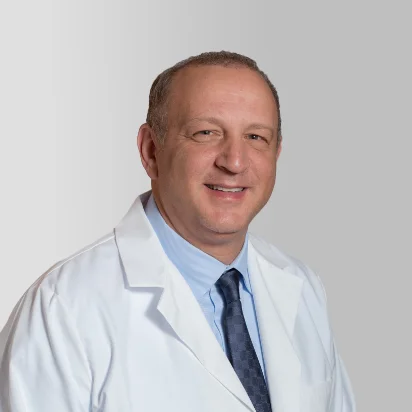 Mohammad Al-Khudari, MD · Family Eye Physicians
Request an Appointment
Our eye doctors see patients at six Chicagoland offices. Book online or call us.
This article provides general information and does not replace advice from your eye care professional.