
See a Family Eye Physicians eye doctor. Offices in Buffalo Grove, Orland Park, Oak Lawn, Schaumburg, Oakbrook Terrace and Chicago (Albany Park).
SMILE and LASIK both reshape the cornea to correct refractive errors, but they use different surgical approaches. LASIK creates and replaces a thin corneal flap, while SMILE removes a small piece of corneal tissue through a short incision without making a flap. The better choice depends on your prescription, corneal measurements, eye health, activities and the procedures your surgeon offers.
Key takeaways
- LASIK can treat nearsightedness, farsightedness and astigmatism, according to the American Academy of Ophthalmology.
- SMILE is FDA-approved for nearsightedness and astigmatism and does not create a corneal flap.
- A full eye examination and corneal measurements determine whether either procedure fits your eyes.
- Family Eye Physicians offers LASIK and PRK through Oakbrook LASIK; the practice does not advertise SMILE.
What is the main difference between SMILE and LASIK?
LASIK and SMILE change the shape of the cornea so light focuses more accurately on the retina. During LASIK, an ophthalmologist creates a thin flap, reshapes tissue beneath it with a laser and places the flap back into position. During SMILE, the surgeon creates a small disc of tissue inside the cornea and removes it through a short incision.
The absence of a flap is the clearest procedural difference. The American Academy of Ophthalmology says that SMILE may suit some people with active jobs or lifestyles who want to avoid a LASIK flap. A surgeon still has to evaluate the entire eye because a flap-free method does not make every patient a candidate.
| Decision point | LASIK | SMILE |
|---|---|---|
| How the surgeon reaches corneal tissue | Creates and replaces a thin corneal flap | Uses a short incision and no flap |
| Refractive errors listed by AAO | Nearsightedness, farsightedness and astigmatism | Nearsightedness and astigmatism |
| Minimum age in AAO candidate guidance | 18, with some lasers approved only for people 21 and older | 22 |
| Prescription stability | Prescription should not have changed much in the past year | Prescription should not have changed in the past year |
| Corneal screening | Healthy, sufficiently thick corneas are required | Healthy corneas and good overall eye health are required |
| Offered by Family Eye Physicians | Yes, through Oakbrook LASIK | Not advertised by the practice |
Who may qualify for SMILE?
The American Academy of Ophthalmology lists several basic SMILE criteria: a patient should be at least 22, have a stable prescription, have healthy corneas and generally good eye health, and understand the procedure’s limits. Its published prescription range includes nearsightedness between -1 and -10 diopters and up to 3 diopters of astigmatism.
Those numbers describe broad screening criteria, not an individual recommendation. An ophthalmologist must examine the eyes, measure the cornea and review health conditions that could affect healing. AAO also lists changing prescriptions, certain corneal conditions, excessive scarring and some health problems among reasons a person may not qualify.
Who may qualify for LASIK?
AAO says a LASIK candidate should be at least 18, while some lasers are approved only for patients 21 and older. The prescription should be stable, the corneas must be healthy and thick enough, and the refractive error must fall within the range the selected laser can treat. Eye health, general health and expectations also enter the decision.
LASIK can address farsightedness as well as nearsightedness and astigmatism, which gives it a broader published range of refractive-error types than SMILE. A candidate examination measures the prescription and cornea and checks for other eye problems. Patients with dry eye should discuss it directly with the surgeon because AAO notes that LASIK can make dry eye worse.
How do recovery and follow-up differ?
AAO tells SMILE patients that vision may be blurry immediately after surgery and improve over the next few days and weeks. Many patients can resume normal activities after a day or two, although their surgeon gives specific instructions. LASIK patients also receive protective and eye-drop instructions and need follow-up care while the corneal flap heals in place.
No online timetable can predict one person’s recovery. Work demands, driving needs, prescription and the condition of the ocular surface can change the plan. Ask the operating surgeon when you can drive, exercise, use eye makeup, swim and return to work. Follow the written post-operative schedule supplied by the surgical center.
What risks should patients compare?
Both procedures carry surgical risks, and neither guarantees freedom from glasses. AAO lists undercorrection, overcorrection, glare, halos, blurry vision, infection and rare loss of best-corrected vision among possible concerns in its patient guidance. LASIK also has flap-related considerations, while SMILE has its own incision and tissue-removal technique.
Patients should compare risks in the context of their own measurements. Ask the surgeon what findings make one procedure safer for your cornea, how the practice handles residual prescription, and which symptoms require an urgent call. People who are comfortable in glasses or contact lenses can also decide against elective refractive surgery.
How should you choose between SMILE and LASIK?
Choose after an ophthalmologist has measured your prescription, corneal thickness and shape, tear film and overall eye health. Ask for a recommendation tied to those findings. A useful consultation explains why you qualify, which alternatives remain available, what recovery may involve, and what the quoted fee includes.
- Bring your current glasses or contact-lens prescription and a list of medicines.
- Tell the surgeon about dry eye, prior eye procedures and health conditions.
- Ask which technology the center uses and whether it matches your prescription.
- Request the complete price and written policy for follow-up care or an enhancement.
- Read the consent materials before the procedure date and ask about every point you do not understand.
Family Eye Physicians offers LASIK evaluations through Oakbrook LASIK, whose current site identifies the center with LASIK and PRK. The practice sites do not list SMILE, so patients specifically seeking SMILE should ask a provider that performs it. Patients considering LASIK can review Sanjay Rao, MD’s training and experience, compare the published Chicago LASIK cost guide, or request an Oakbrook Terrace appointment.
A consultation should produce a personal explanation, not a generic recommendation. Ask the surgeon to show you the corneal maps and measurements that support the plan. Confirm whether the same surgeon will perform the procedure and manage follow-up visits. If two centers recommend different procedures, ask each doctor to explain the specific exam finding behind that choice.
LASIK vs PRK, which is better for astigmatism?
LASIK and PRK can both treat eligible astigmatism prescriptions. PRK reshapes the cornea without creating a LASIK flap, but the surface layer must regrow and recovery usually follows a different course. Your prescription, corneal thickness, surface health, occupation and exam findings determine which option a surgeon recommends.
Family Eye Physicians offers both procedures. Patients comparing flap and no-flap options can read the practice’s LASIK vs PRK Chicago comparison. PRK may be the relevant alternative at this practice when a patient wants a no-flap procedure, although only an examination can establish candidacy.
Frequently Asked Questions
Am I too old for LASIK at 45?
Age 45 alone does not rule out LASIK. Presbyopia, the age-related loss of near focusing ability, often affects the visual plan. AAO notes that LASIK does not correct presbyopia itself. An ophthalmologist can discuss distance correction, reading glasses and whether a monovision trial makes sense before surgery.
Is $4,000 a good price for LASIK in Chicago?
A price can only be compared after confirming whether it covers one eye or both and what services are included. Ask whether diagnostic testing, surgeon fees, medications, follow-up visits and enhancement care are part of the quote. Do not choose a procedure before the center confirms your candidacy.
Can I finance LASIK with no interest in Chicago?
Some practices publish promotional financing for qualified applicants, but terms can change and approval depends on the lender. Read the current written terms, deferred-interest conditions and total amount financed. Compare financing only after you have a complete surgical quote and understand what the fee includes.
Does Blue Cross Blue Shield of Illinois cover LASIK?
LASIK is generally treated as an elective procedure, though a vision benefit or discount program may reduce the price. Coverage varies by plan. Contact Blue Cross Blue Shield of Illinois using the number on your card and ask the surgical center to confirm any discount before scheduling.
Which Chicago LASIK surgeons are fellowship-trained cornea specialists?
Check each surgeon’s current biography and verify training through the relevant medical board or practice. Family Eye Physicians states that Sanjay Rao, MD completed cornea and refractive surgery fellowship training. A fellowship is one factor; patients should also ask who performs the procedure and who provides follow-up care.
Sources
- American Academy of Ophthalmology SMILE patient guide, accessed September 24, 2026
- American Academy of Ophthalmology LASIK patient guide, accessed September 24, 2026
- Family Eye Physicians LASIK service page, accessed September 24, 2026
- Family Eye Physicians Sanjay Rao, MD biography, accessed September 24, 2026
- Oakbrook LASIK website, accessed September 24, 2026
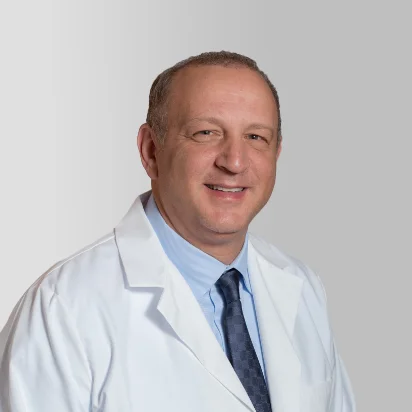 Mohammad Al-Khudari, MD · Family Eye Physicians
Request an Appointment
Our eye doctors see patients at six Chicagoland offices. Book online or call us.
This article provides general information and does not replace advice from your eye care professional.